
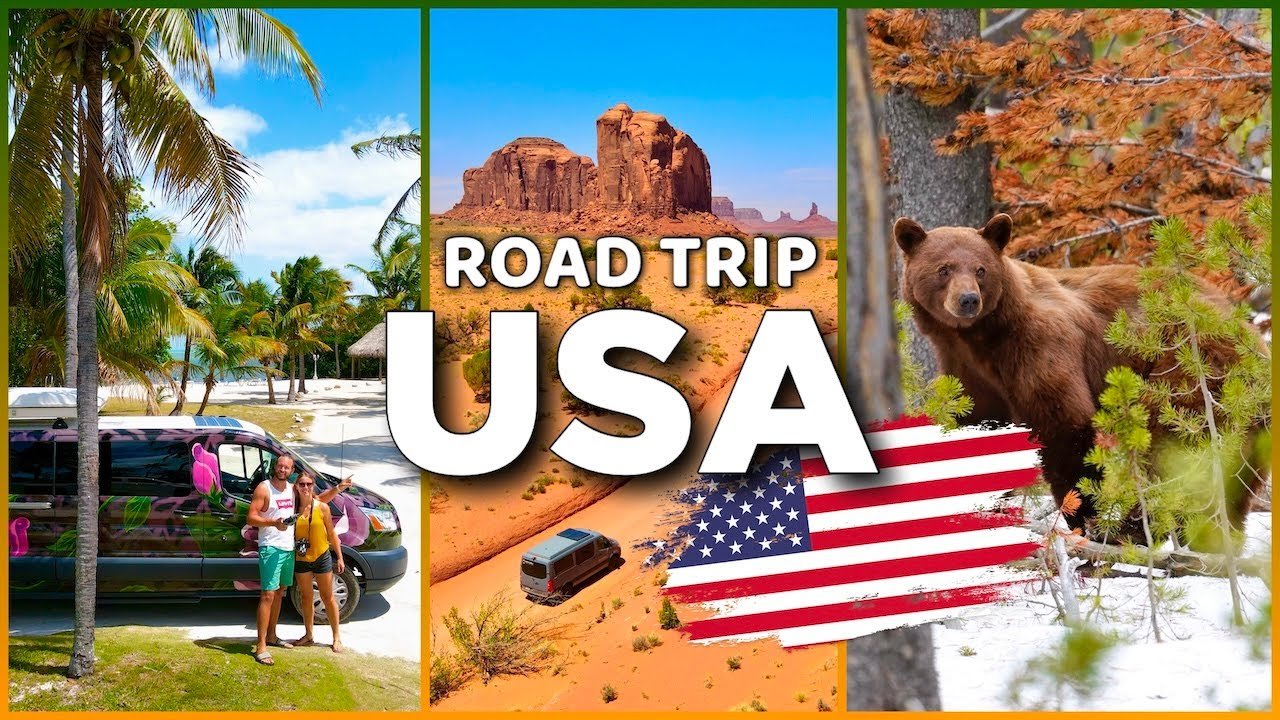

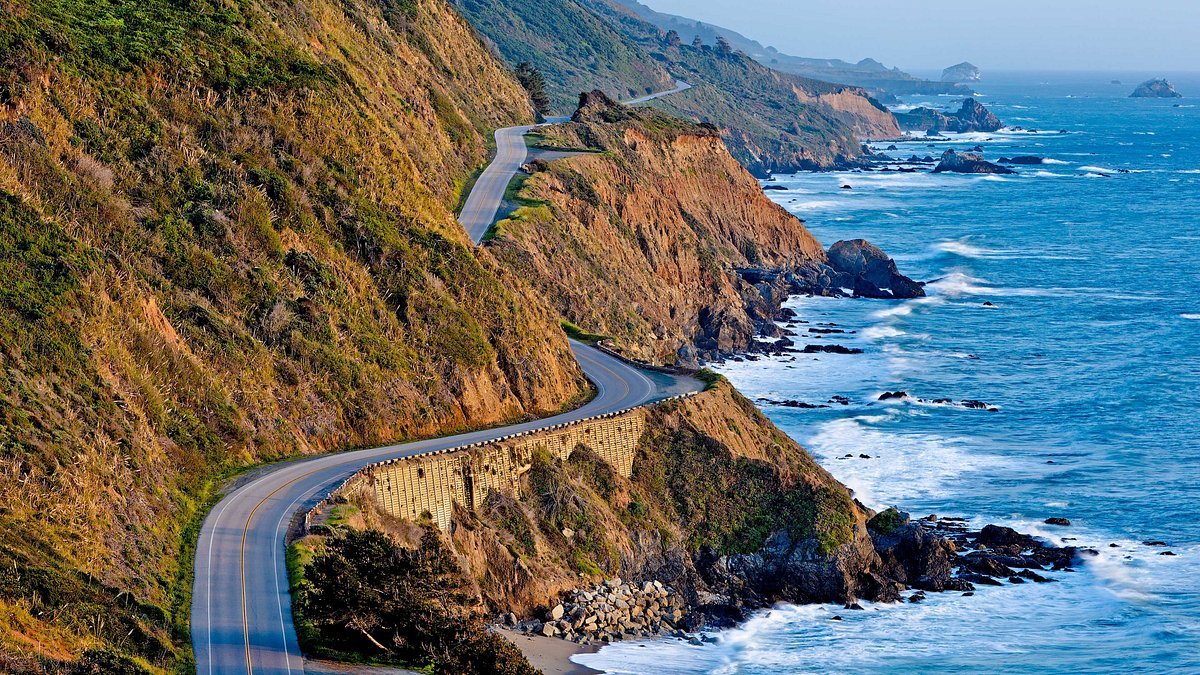
There’s something timeless about the American road trip — endless highways, changing landscapes, small towns, big cities, deserts, mountains, and coastlines all waiting to be explored. For photographers, a road trip across the United States isn’t just travel — it’s a moving studio filled with unpredictable light, authentic people, and unforgettable scenery. Whether you’re driving through the Southwest or along the Pacific Coast, every mile offers a new story to capture.
Plan Your Route — But Leave Room for Discovery
Great road trip photography starts with planning. Research iconic routes like coastal highways, mountain passes, or desert stretches, but don’t over-plan every stop. Some of the most powerful images happen unexpectedly — an abandoned gas station at sunset, a roadside diner glowing at dusk, or a quiet rural town at sunrise. Use mapping tools to identify scenic viewpoints, national parks, and lesser-known backroads. However, always stay flexible so you can stop when the light is perfect or when a scene simply feels right.
Chase the Light, Not Just the Location
In photography, light matters more than location. On a road trip, aim to shoot during golden hour — shortly after sunrise and before sunset — when the light is soft and warm. Early mornings are especially rewarding on the road because highways are quieter and landscapes feel untouched. Midday can be harsh, but it works well for deserts or dramatic cloud formations. Keep an eye on weather forecasts; stormy skies, fog, or unexpected rain can add depth and drama to your photos.
Capture the Journey, Not Just the Destination
Many photographers focus only on famous landmarks, but road trip photography is about the experience. Photograph the dashboard at sunrise, reflections in side mirrors, roadside signs, winding highways disappearing into the horizon, and candid moments of travel companions. These in-between moments create a complete story rather than just a collection of scenic shots. Authentic storytelling makes your work feel personal and engaging.
Keep Your Gear Simple and Practical
When traveling long distances, lightweight gear makes a big difference. A versatile zoom lens (like a 24–70mm) covers most situations, while a wide-angle lens works beautifully for landscapes. A tripod is useful for sunrise, sunset, and night shots, especially when capturing starry skies in remote areas. Don’t forget extra batteries, memory cards, and a lens cloth — dust and weather conditions can change quickly on American highways.
Look for Character and Culture
One of the most powerful aspects of an American road trip is the diversity of people and places. From small-town main streets to vibrant urban neighborhoods, each location has its own personality. Respectfully capturing local culture — murals, architecture, roadside attractions, and community events — adds authenticity to your portfolio. Always ask permission when photographing individuals, and aim to tell their story with dignity and respect.
Edit to Tell a Cohesive Story
After the trip, your editing process shapes the final narrative. Instead of posting random images, organize your photos in a way that feels like a journey — beginning, middle, and end. Keep colors consistent to create a recognizable style. Subtle adjustments often work better than heavy filters, especially for landscape and documentary-style photography. The goal is to enhance the moment, not overpower it.
An American road trip offers more than beautiful views — it offers connection, movement, and perspective. With thoughtful planning, attention to light, and a focus on storytelling, you can turn miles of highway into a powerful visual journey. Every road has a story. Your camera simply helps tell it.
