
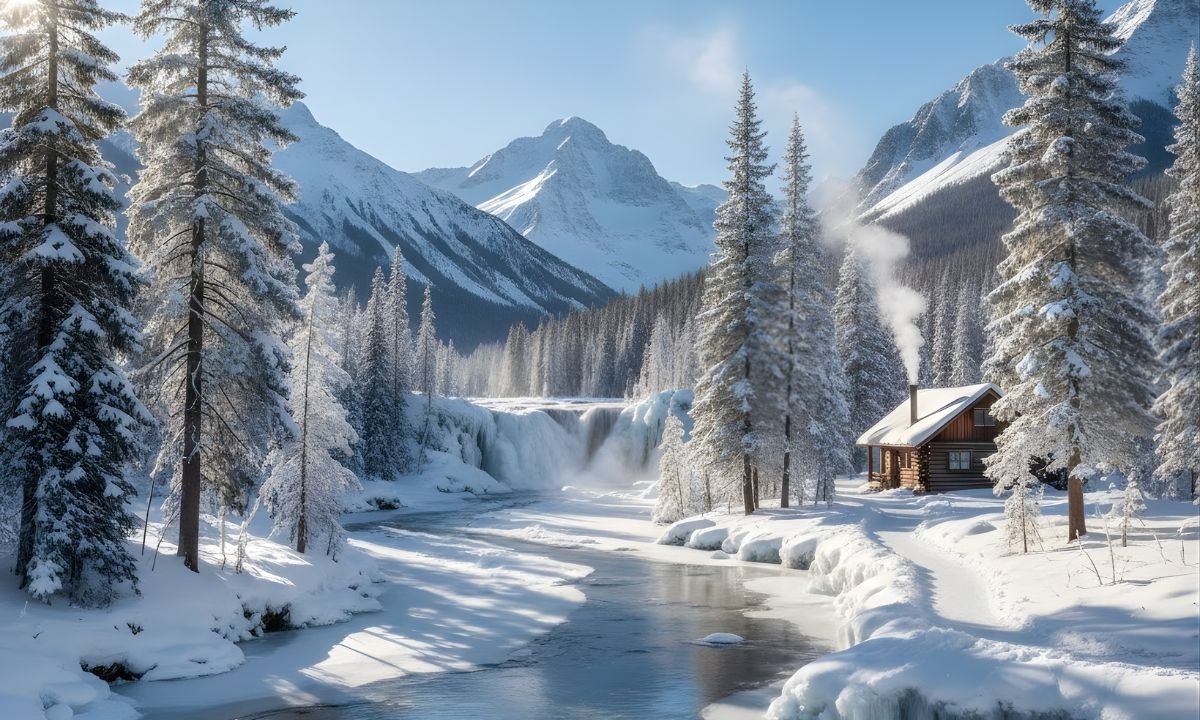

Canada in winter feels like stepping into a living postcard, where snowy forests, frozen lakes, and glittering cities turn everyday scenes into pure magic. This guide will help you enjoy that frozen beauty safely, comfortably, and in a way that aligns with the latest travel and content best practices.
Why Winter in Canada Feels Magical
From late November to March, much of Canada transforms into a crisp white landscape, with temperatures ranging roughly from 0°C in coastal cities to below −30°C in northern regions. The dry cold, clear skies, and long winter nights create ideal conditions for snow sports, stargazing, and even northern lights in select areas.
Cities like Montreal and Quebec City decorate their historic streets with lights, outdoor rinks, and winter festivals, while the Canadian Rockies offer powdery slopes, frozen waterfalls, and quiet trails that feel almost untouched. Because winter days are shorter, planning activities around daylight hours and local opening times is essential for a relaxed, safe trip.
Quick Snapshot of Canada’s Winter
Best Frozen Destinations to Explore
The Rockies around Banff and Lake Louise are among Canada’s most iconic winter destinations, with world-class ski resorts, scenic gondolas, and the famous frozen surface of Lake Louise framed by towering peaks. Even if you do not ski, you can walk along groomed trails, join guided ice walks through frozen canyons, or simply enjoy hot drinks in a cozy lodge while watching the snow fall.
On the east side, Quebec City and Old Montreal feel like European villages dusted in snow, complete with cobblestone streets, historic stone buildings, and festive winter markets. Many visitors combine cultural activities—like museums, heritage tours, and classic French-Canadian cuisine—with outdoor fun such as snowshoeing, skating, or tobogganing in city parks.
For something truly different, some travelers head north to places like Yellowknife to watch the aurora borealis dance over frozen lakes, often as part of organized tours that include warm shelters, gear, and expert guidance. These remote regions demand more preparation and respect for the extreme cold, but the reward is a night sky you are unlikely to forget.
Staying Safe in Extreme Cold
Winter in Canada can be harsh, but with preparation it is both safe and deeply enjoyable. Dress in three main layers: a moisture-wicking base layer, an insulating mid-layer (like fleece or wool), and a windproof, waterproof outer shell to block snow and wind. Insulated boots with good grip, thermal socks, gloves or mittens, a warm hat, and a scarf or neck gaiter are essential, especially if you plan to be outside for more than short walks.
Check official forecasts and weather alerts daily through reliable sources such as Environment Canada, particularly if you have road trips or outdoor excursions planned. When driving, choose vehicles with winter tires, clear all snow and ice from windows, and carry a simple emergency kit with snacks, water, a flashlight, blankets, and a phone charger. In very cold areas, tours—especially for activities like aurora viewing or remote excursions—are often the safest way to explore, since operators understand local risks and provide heated shelters and guidance.
Local Culture, Food, and Responsible Travel
Canadian winter culture is built around warmth: cafés serving hot chocolate, poutine stands steaming in the cold air, and restaurants where rich soups and slow-cooked dishes take center stage. In Quebec and Ontario, you can warm up with traditional fare like tourtière (meat pie), maple sweets, and hearty stews after a day of walking through snowy streets.
Many cities and mountain towns host winter festivals featuring ice sculptures, music, and family-friendly events that let you experience local traditions in a safe, organized way. To travel responsibly, choose licensed guides, respect wildlife and marked trails, and follow local rules about lakes, rivers, and backcountry areas, which may be unstable or closed in certain conditions. Supporting local businesses—independent cafés, outfitters, and cultural tours—helps keep these communities vibrant for future visitors.
Planning a Winter Wonderland Itinerary
When planning, it helps to focus your trip on one or two regions rather than trying to cover the entire country in a single visit. A balanced one-week winter itinerary might include two or three days in a city like Montreal or Vancouver, combined with several days in the mountains for skiing, snowshoeing, or simply enjoying the views.
Build flexibility into your schedule to account for delayed flights, snowstorms, or temporary closures, especially if you are traveling between provinces or through busy border or airport hubs. Make sure your travel insurance covers winter conditions, including medical care and possible trip interruptions, and keep digital copies of key documents in case of loss. Finally, prioritize experiences over rushing between too many places: a few well-chosen activities—like an ice walk, a night skate, or a northern lights tour—can define your entire trip.
FAQs
Q1. Is it safe to visit Canada in winter for first-time travelers?
Yes, Canada is generally safe, and with proper clothing, attention to weather, and use of official transport and licensed tours, winter trips are very manageable for beginners.
Q2. Do I need special gear for Canadian winter?
You should have layered clothing, insulated boots, gloves, a warm hat, and a waterproof outer layer; for remote or very cold regions, tour operators often provide extra gear.
Q3. Which month is best to see snow and still enjoy activities?
January and February typically offer reliable snow and full winter activities across most regions, though December and early March can also be excellent in many destinations.
