
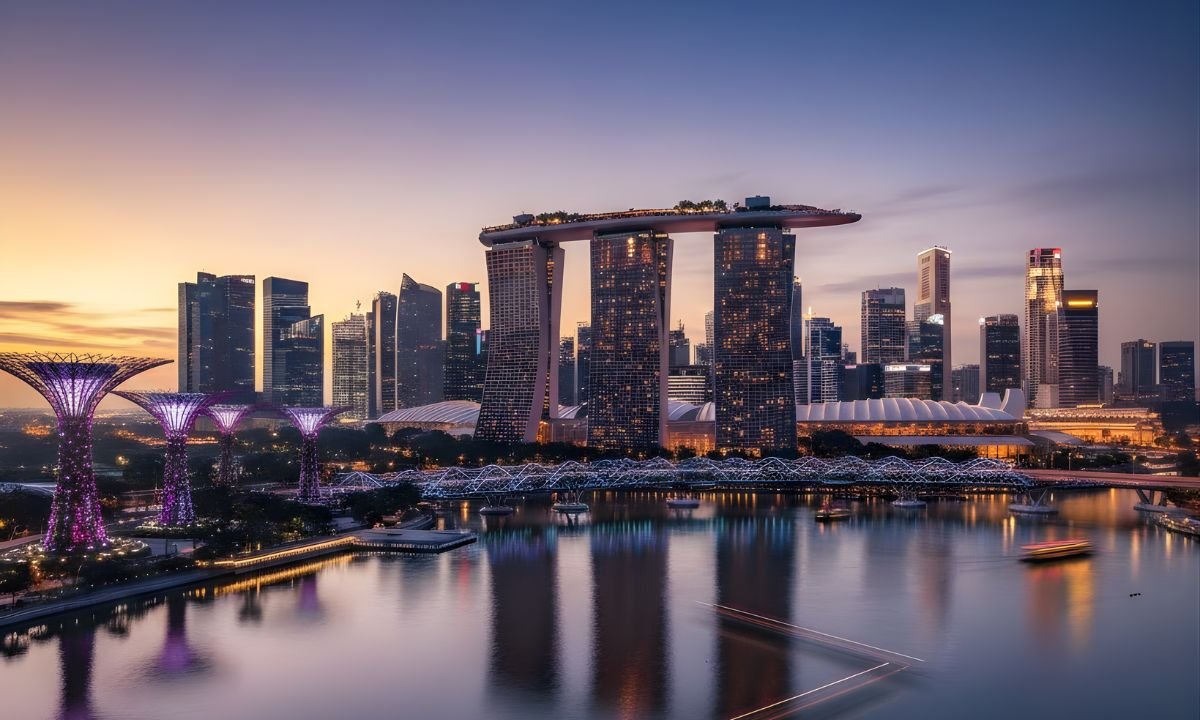

Singapore’s skyline is one of the most dramatic cityscapes in the world, blending futuristic architecture with waterfront reflections that make every photograph feel almost unreal. For travelers, photographers, and dreamers planning their next trip, exploring amazing Singapore skyline photos can completely reshape how you imagine this compact island city.
Why Singapore’s Skyline Feels So Surreal
Singapore has invested for decades in carefully planned, high‑density architecture, which is why the city’s skyline looks so cohesive rather than chaotic. Skyscrapers cluster around Marina Bay and the Central Business District, with iconic landmarks like Marina Bay Sands, the ArtScience Museum, and the Singapore Flyer forming a recognizable visual signature even at a glance. This deliberate design makes it easy to capture powerful wide‑angle shots where every element in the frame feels intentional instead of random.
What truly sets the skyline apart is how it interacts with water and sky. Marina Bay acts like a giant natural mirror, doubling the impact of the skyscrapers through glass‑like reflections at blue hour and after dark. Combine that with tropical cloud formations and frequent dramatic sunsets, and you get scenes where neon lights, pastel skies, and shimmering water all layer together in a way that can leave viewers speechless.
Best Places to Capture Skyline Magic
For skyline photos that instantly stand out on social media or in travel portfolios, a few vantage points consistently deliver extraordinary results. The promenade around Marina Bay is one of the most popular spots, allowing photographers to frame Marina Bay Sands on one side and the dense city skyscrapers on the other, especially at sunset or during the nightly light shows. This area is safe, well‑lit, and designed for pedestrians, which makes evening photo walks both comfortable and rewarding.
Another powerful viewpoint comes from elevated locations, such as rooftop bars, hotel terraces, or public observation decks that overlook the bay. From above, the intricate layout of roads, green spaces, and waterfront curves becomes more obvious, giving your photos depth instead of a flat wall of buildings. Well‑timed visits between the dry and rainy periods often provide clearer air and dramatic clouds, which further enhances skyline shots with added contrast and mood.
Ideal Times and Conditions for Breathtaking Shots
Light can make or break a skyline photograph, and Singapore offers several daily “windows” when the city looks especially photogenic. Blue hour—just after sunset—is one of the most beloved times to shoot, because the sky still holds color while city lights gradually switch on, creating a balanced mix of natural and artificial illumination. Reflections on Marina Bay become more pronounced at this time, and the glow from buildings and bridges helps outline the city’s distinctive shapes without overwhelming the viewer.
Golden hour, shortly before sunset, offers a very different mood: warm tones wash over glass facades and water, making the city feel softer and more romantic. Photographers who plan carefully can use both golden and blue hour in a single outing, adjusting locations as the light shifts. Even during the day, scattered clouds can add texture to wide skyline compositions, but many professionals deliberately avoid harsh midday light because it flattens contrast and reduces the sense of depth in high‑rise scenes.
Sample Skyline Photography Overview
Human Stories Behind Iconic Skyline Photos
Behind every stunning Singapore skyline image is a real person making dozens of small decisions: where to stand, how to frame, which moment to wait for. Many travel and landscape photographers describe their first view of Marina Bay as a turning point, because the city looks almost like a carefully constructed movie set until you experience it in person. They often revisit the same spots across multiple evenings, adjusting shutter speeds, experimenting with long exposures, and patiently waiting for the perfect balance of lights, clouds, and reflections.
This kind of repeated, on‑the‑ground experience is exactly what modern search guidelines reward, because it shows real familiarity with the location rather than generic descriptions. When you read or create content about Singapore’s skyline, including honest observations—like how humid nights affect lens fog, or how crowds gather near specific viewpoints—helps build trust and signals that the advice is grounded in practical reality, not just copied from elsewhere.
Creating Trustworthy, Safe Travel Inspiration
With the February 2026 Discover core update, Google has become much stricter about rewarding content that is original, non‑sensational, and genuinely useful to people planning trips or seeking ideas. For skyline‑focused travel articles, that means avoiding exaggerated promises and instead giving realistic, experience‑based guidance, like reminding readers to respect local rules, be mindful of tripods in crowded walkways, and secure their gear around water. This type of detail not only keeps readers safer, it also aligns with the broader shift toward trustworthy, traveler‑first information.
At the same time, E‑E‑A‑T principles—Experience, Expertise, Authority, and Trust—encourage creators to be transparent about how they know what they know. When you share skyline photos or tips from Singapore, mentioning your own visits, the conditions you faced, and the tools you used helps audiences feel more confident following your advice. Over time, that combination of honest storytelling, accurate photography guidance, and respect for safety turns simple skyline images into a reliable source of inspiration for anyone dreaming of seeing Singapore’s glowing waterfront with their own eyes.
