
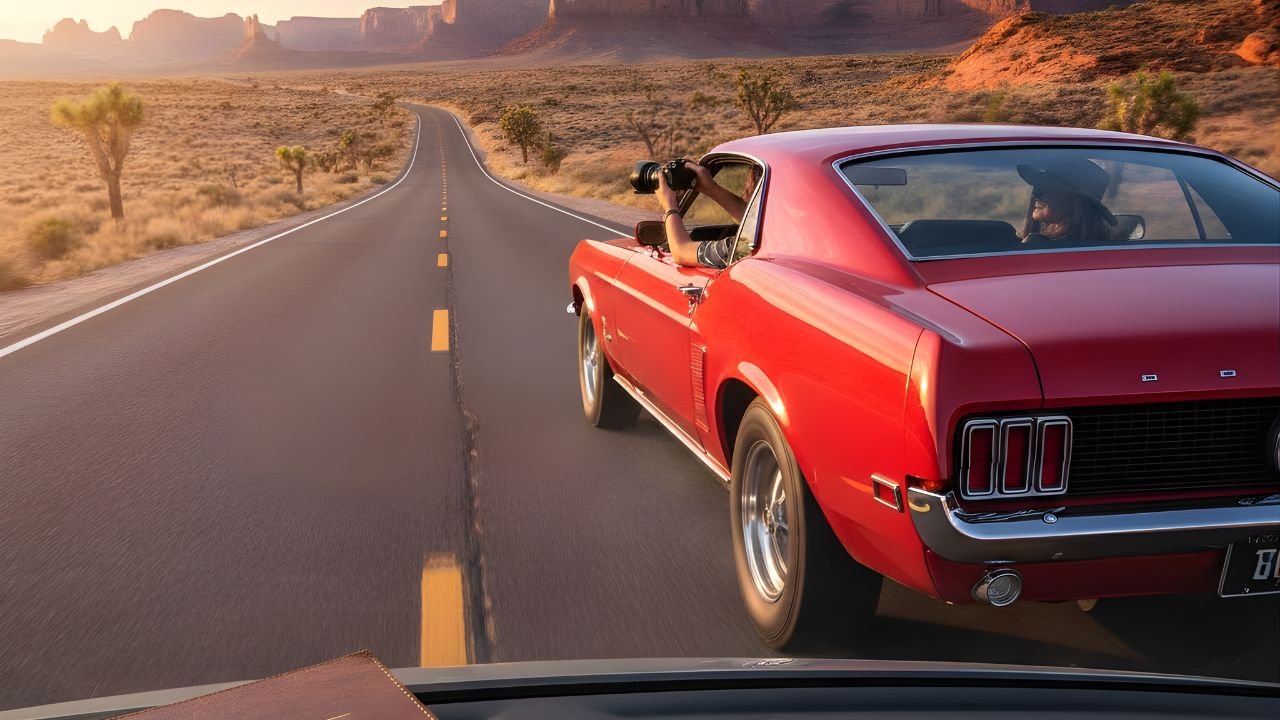

American road trips offer a rare mix of vast landscapes, small-town charm, and a powerful sense of freedom that’s perfect for a photography journey. When you plan with intention and shoot with curiosity, every mile can turn into a story your audience wants to tap on in Google Discover.
Planning a Story-First Road Trip
Before you hit the interstate, think less about “how far” and more about “what story” you want your photos to tell. Are you chasing desert sunsets on Route 66, misty forests in the Pacific Northwest, or coastal light along California’s Highway 1?
Build a loose itinerary around anchor locations—national parks, scenic byways, historic diners—but leave space for unplanned stops, because those surprise moments often become your most memorable images. Save offline maps, sunrise and sunset times, and potential viewpoints so you can arrive when the light is at its best. This combination of planning and spontaneity shows real on-the-road experience, which aligns strongly with Google’s focus on useful, lived-experience content in Discover.
Light, Composition, and Camera Settings on the Road
On an American road trip, light changes fast: you can drive from harsh midday desert glare to soft Appalachian fog within hours. Aim to shoot most landscapes during golden hour, when warm, low-angle light adds texture to rock faces, clouds, and long stretches of highway.
Use simple composition frameworks that work even when you only have seconds to pull over: leading lines from the road itself, rule-of-thirds horizons, and foreground elements like wildflowers, fences, or car mirrors to create depth. For camera settings, keep ISO low (100–400) in bright conditions to avoid noise, then raise it gradually in low light while watching your histogram and shadows. Auto ISO with a minimum shutter speed is useful when you are shooting from a moving vehicle and need to react fast without missing a moment.
Sample Road Trip Photo Shotlist
A practical shotlist helps you stay intentional and create the kind of complete, original photo stories that Discover increasingly prefers over random single images.
Safety, Ethics, and Trustworthy Practices
Staying safe while shooting is non‑negotiable, and it’s a core part of creating trustworthy, people-first content that Google’s E‑E‑A‑T framework values. Never stop in active lanes or on blind curves just because the light looks incredible; use designated pullouts, rest areas, or wide shoulders where you can exit the car fully off the road.
Respect private property and local communities by avoiding trespassing and always following posted signs at ranches, farms, and small-town businesses. When photographing people, especially in small towns, ask permission, introduce yourself, and be clear about how you might share the images online; this respect for subjects not only builds trust but also makes your portraits more relaxed and authentic. If you share location tags on social media, consider whether revealing a fragile spot (like a lesser-known overlook or ecosystem) could contribute to overcrowding or damage, and be willing to keep some places vague to protect them.
Editing, Story Curation, and Google Discover
After the trip, treat your photos not as isolated “bangers” but as a coherent visual essay. Select sequences that show beginning, middle, and end: departure, long stretches of driving, key stops, and the quiet moments of fatigue or reflection at night.
Keep edits clean and true to the scene—moderate contrast and color grading that enhances mood without turning skies neon, because Discover’s newer systems are more aggressive about downplaying sensational or misleading visuals. Pair each photo or photo set with descriptive, experience-rich captions that explain where you were, what you noticed, and what challenged you, since Google’s updated E‑E‑A‑T emphasis rewards real-world experience and depth over generic tips. Add practical details (such as how long the drive took, what time you arrived for sunrise, or where you safely parked) to make the content genuinely helpful and trustworthy for other travelers.
Aligning with the February 2026 Discover Update
The February 2026 Discover core update gives more visibility to original, in‑depth, and locally relevant content while cracking down on clickbait and low‑value posts. For an American road trip photography guide, that means anchoring your article and images in specific regions, towns, and routes rather than vague “bucket list” clichés, and avoiding exaggerated promises in titles or thumbnails.
Highlight your direct experience—mistakes you made on the road, gear that actually failed, weather that forced you to change plans—because Discover systems increasingly look for signals of lived reality, not recycled theory. Make sure your page loads fast, uses clear headings, alt text for images, and author information, since Google’s modern E‑E‑A‑T framework treats technical clarity and transparent authorship as part of overall trust and safety.
FAQs
Q1. What time of day is best for American road trip photos?
A1. Early morning and late afternoon (golden hours) give the most flattering light for landscapes and highways.
Q2. Do I need a DSLR for road trip photography?
A2. No, modern smartphones can capture strong stories if you use good light, composition, and steady shooting.
Q3. How do I stay safe while shooting on the road?
A3. Only stop in designated or clearly safe pullouts, avoid standing on active lanes, and respect all road and property signs.
